Bonsai as Living Art
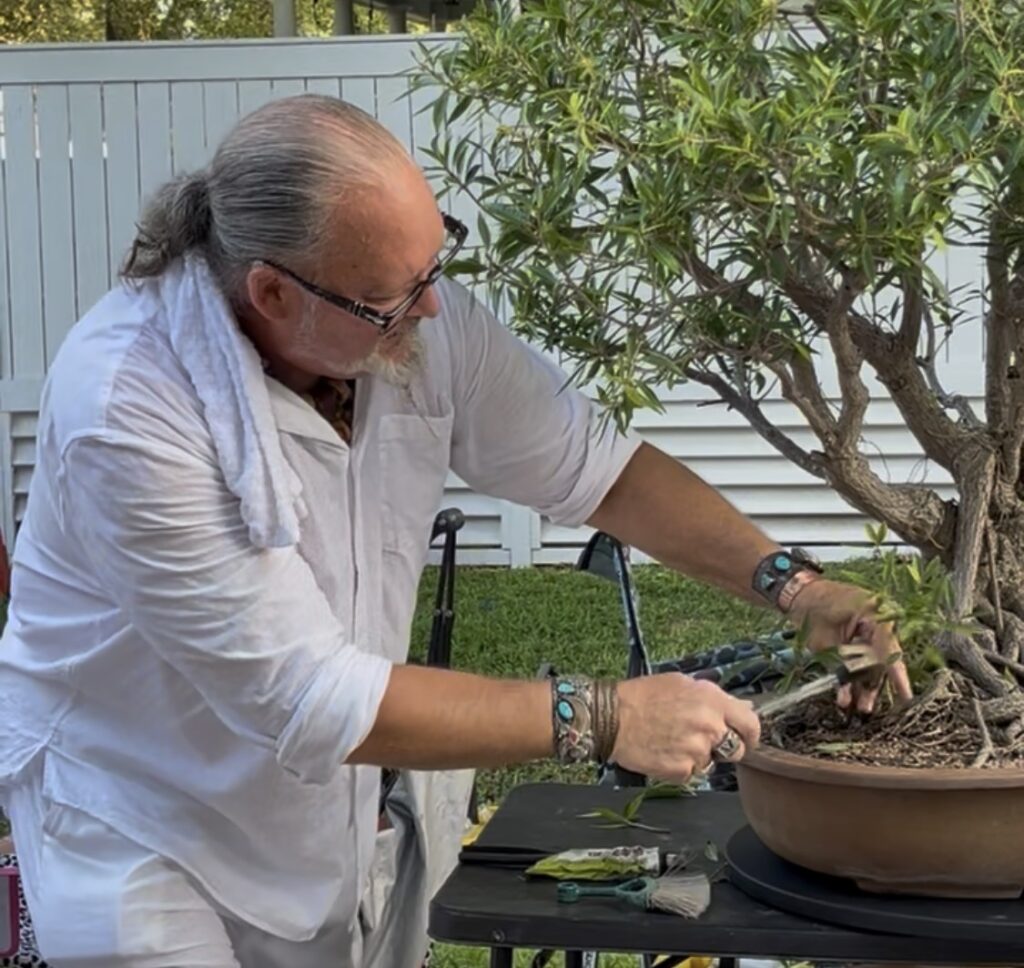
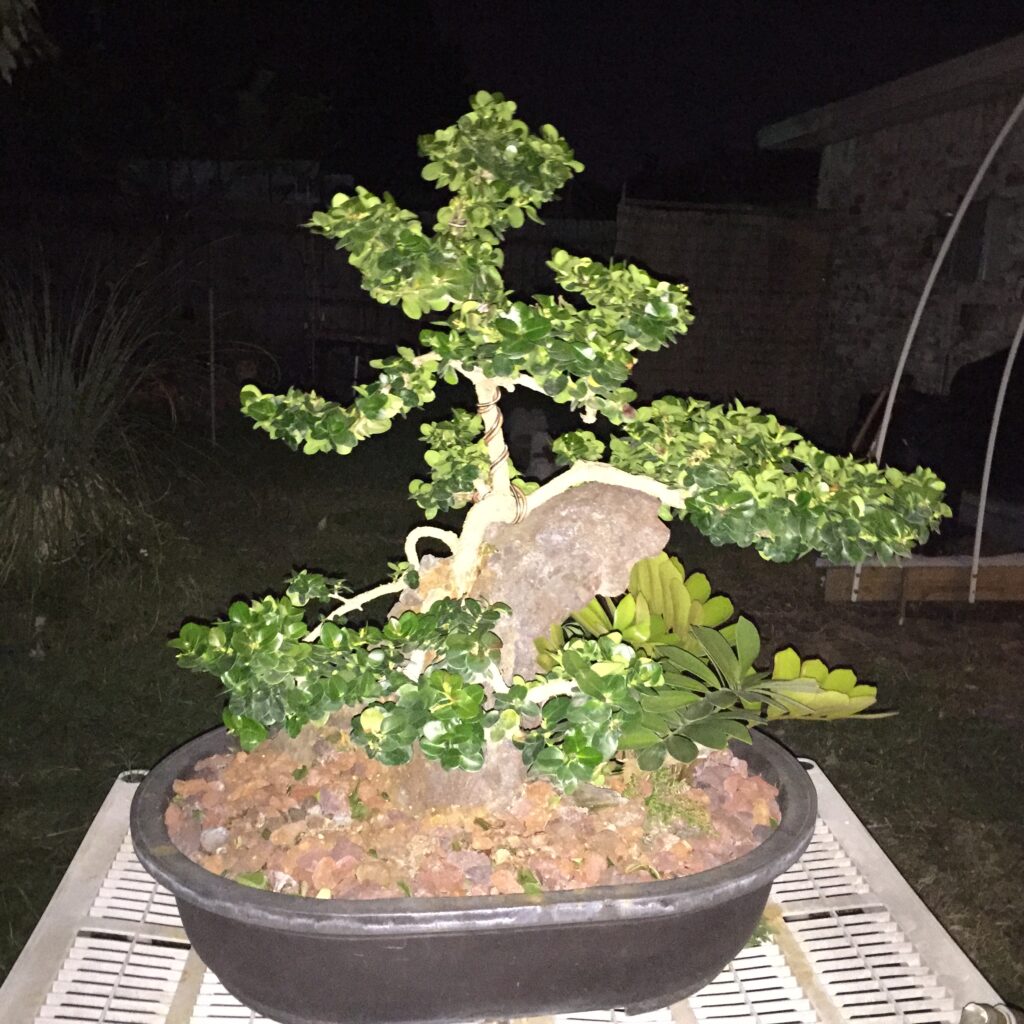
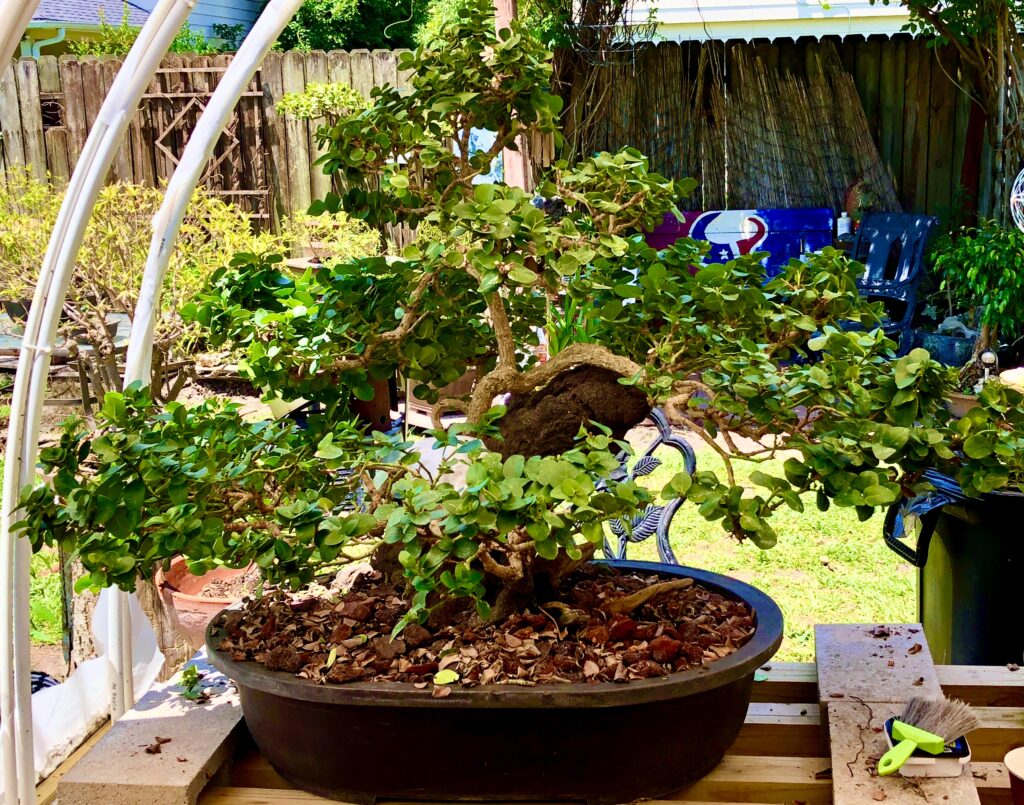
For more than four decades, bonsai has been part horticulture, part sculpture and part journey for ZealFish. Each tree begins with understanding the species, its health and its natural character—then working patiently with what nature has already provided.
The Tree Comes First
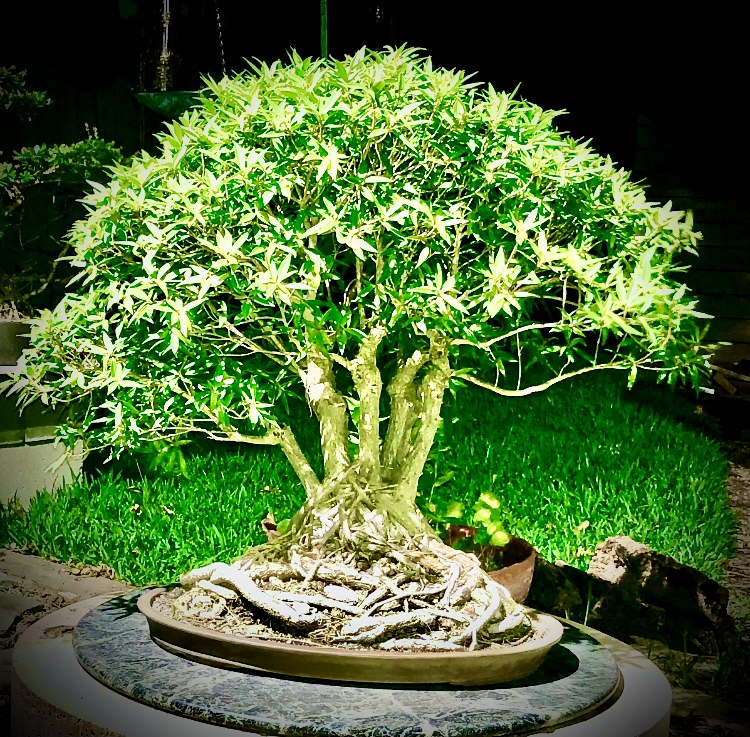
The art begins with understanding the tree—its health, species, roots, natural movement and character. Design follows horticulture, not the other way around.
Movement Becomes Design
Bonsai is sculpture practiced with living material. Line, balance, proportion, negative space and movement guide the eye—but the tree itself remains part of the conversation.
Horticulture Before Styling
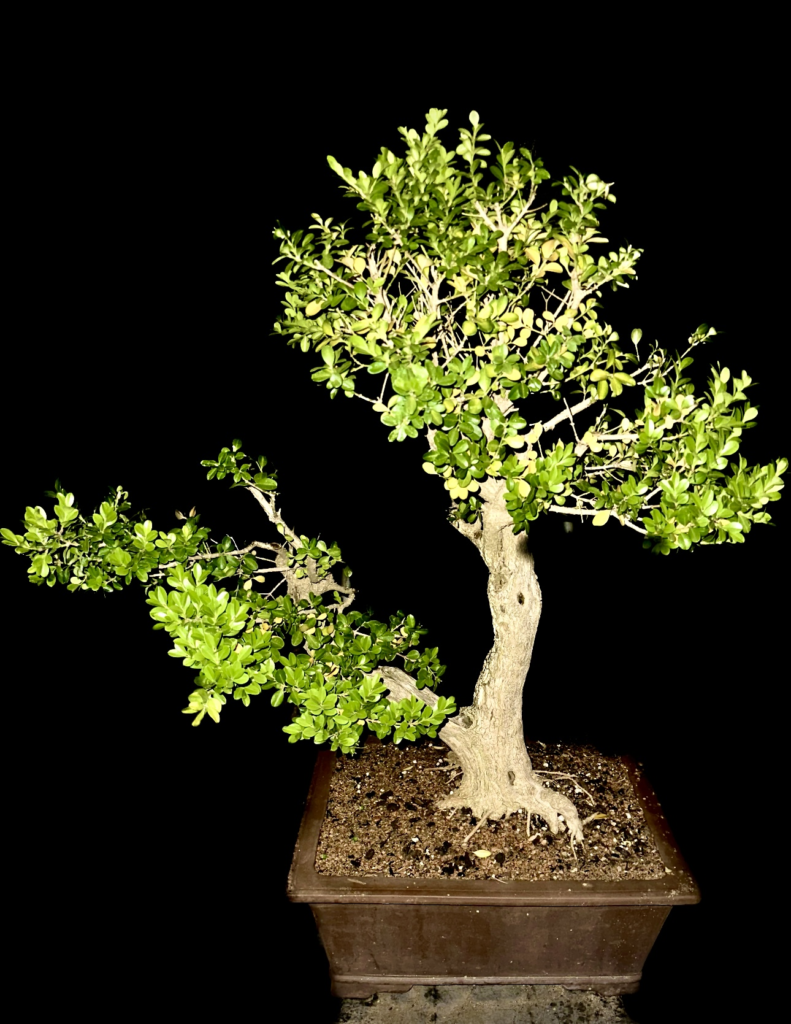
A bonsai must thrive before it can become art. Species, climate, soil, water, roots and seasonal timing determine what work the tree is ready to accept. Healthy growth gives us the material from which design can emerge.
Observe Before You Act
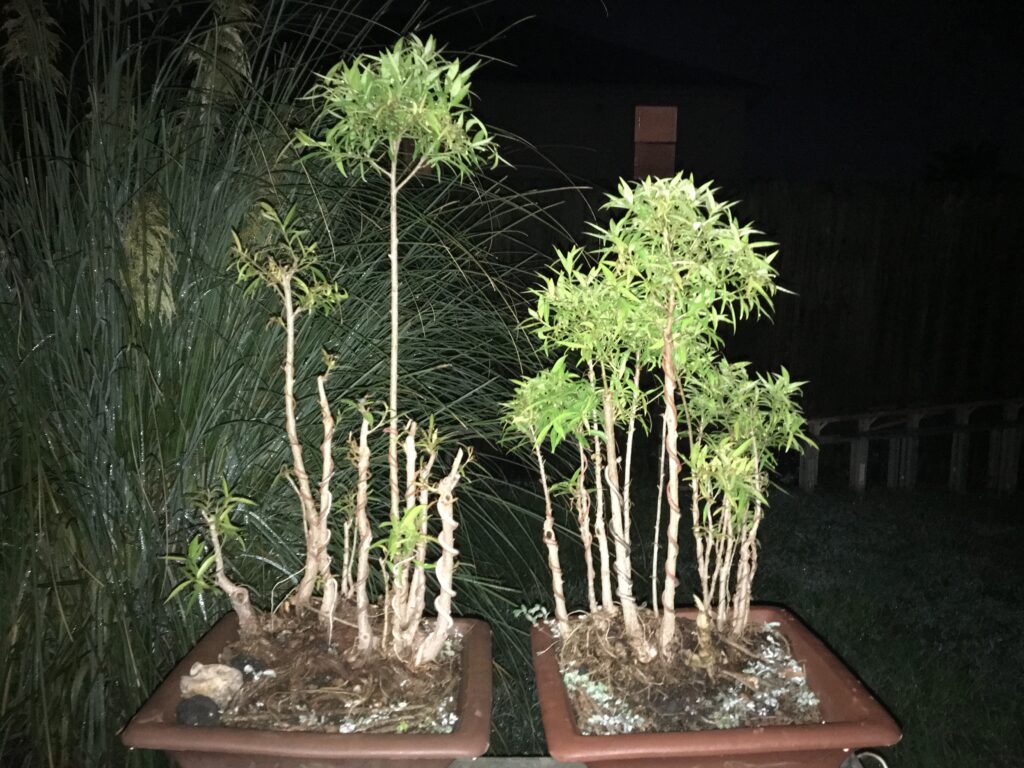
Before cutting or wiring, study the tree. Find the roots. Understand the trunk, movement, balance and natural tendencies of the species. Bonsai begins with seeing what the tree already offers before deciding what it should become.
Find the Foundation
The roots help determine the tree. Expose and understand the nebari—the visible surface roots and base of the trunk. Study how the tree enters the soil, then consider the strongest viewing angle and choose a front that best reveals its character, movement and balance.
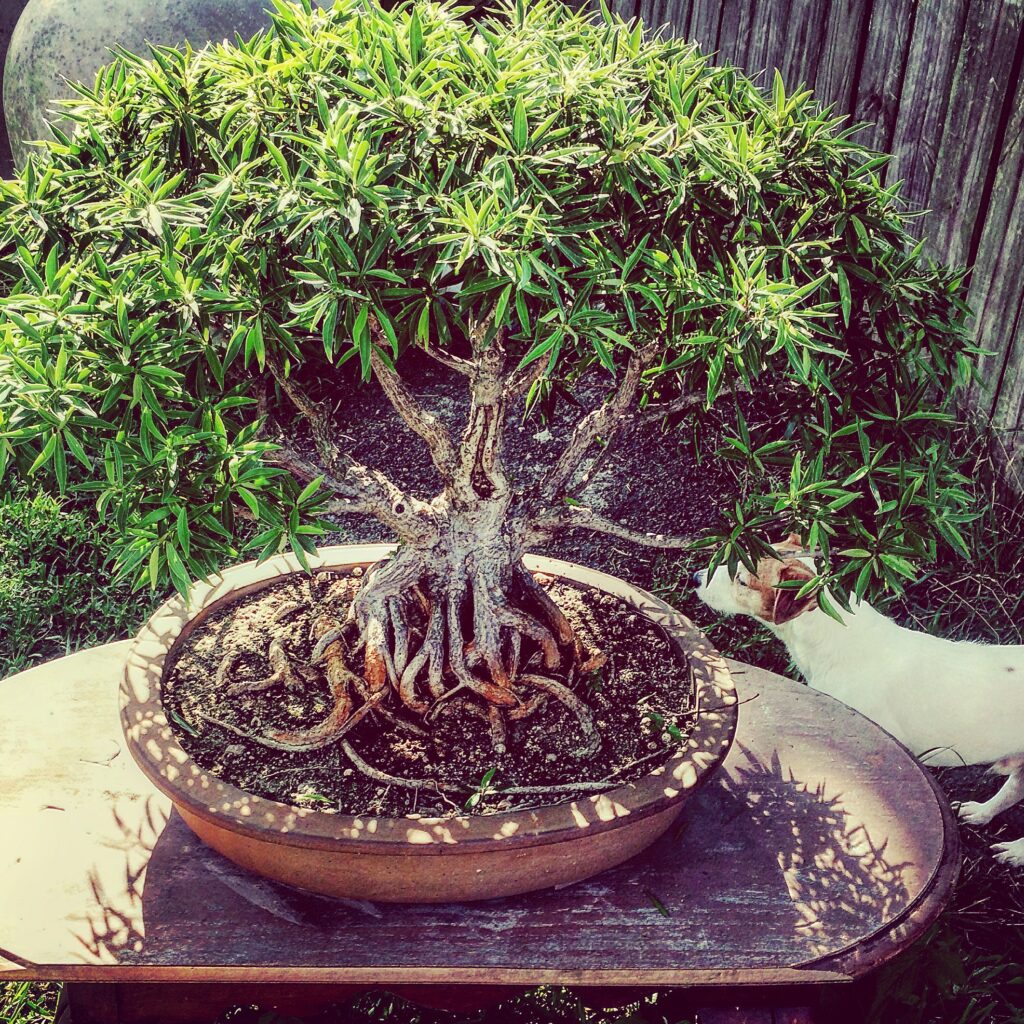
Let the Tree Suggest the Design
Bonsai design is not imposed on a tree—it is discovered within it. Study the trunk line, branches, taper, movement and natural character. Consider what the material already suggests before deciding what it should become.
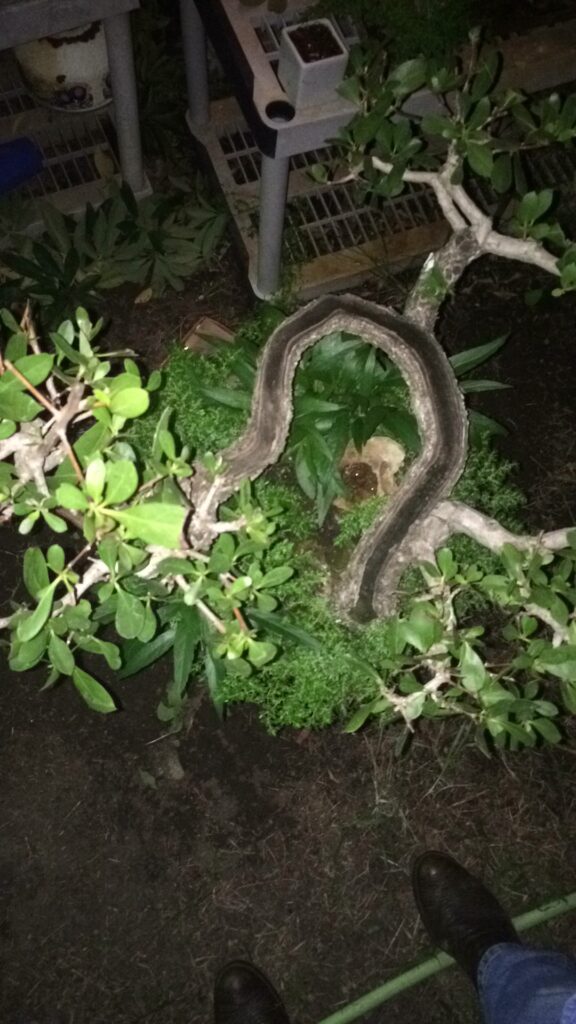
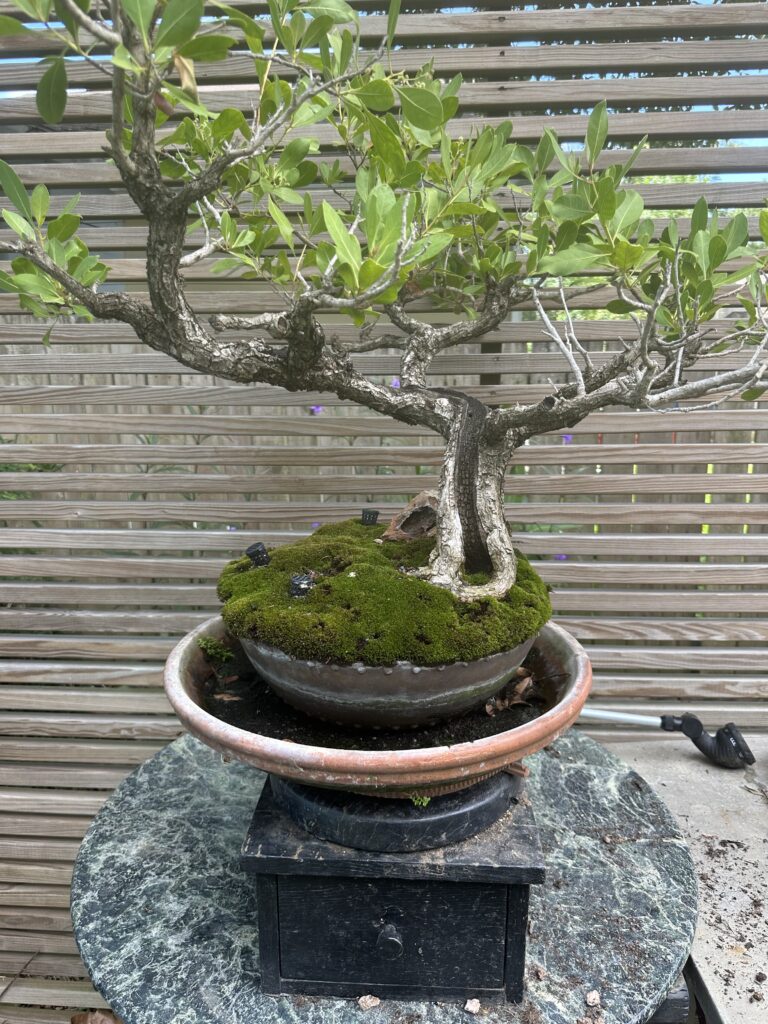
Build the Structure
Once the direction of the tree becomes clear, structure can begin. Pruning, wiring and branch selection are used deliberately to develop line, movement, balance and proportion. Each decision should support the design while preserving the health and character of the tree.
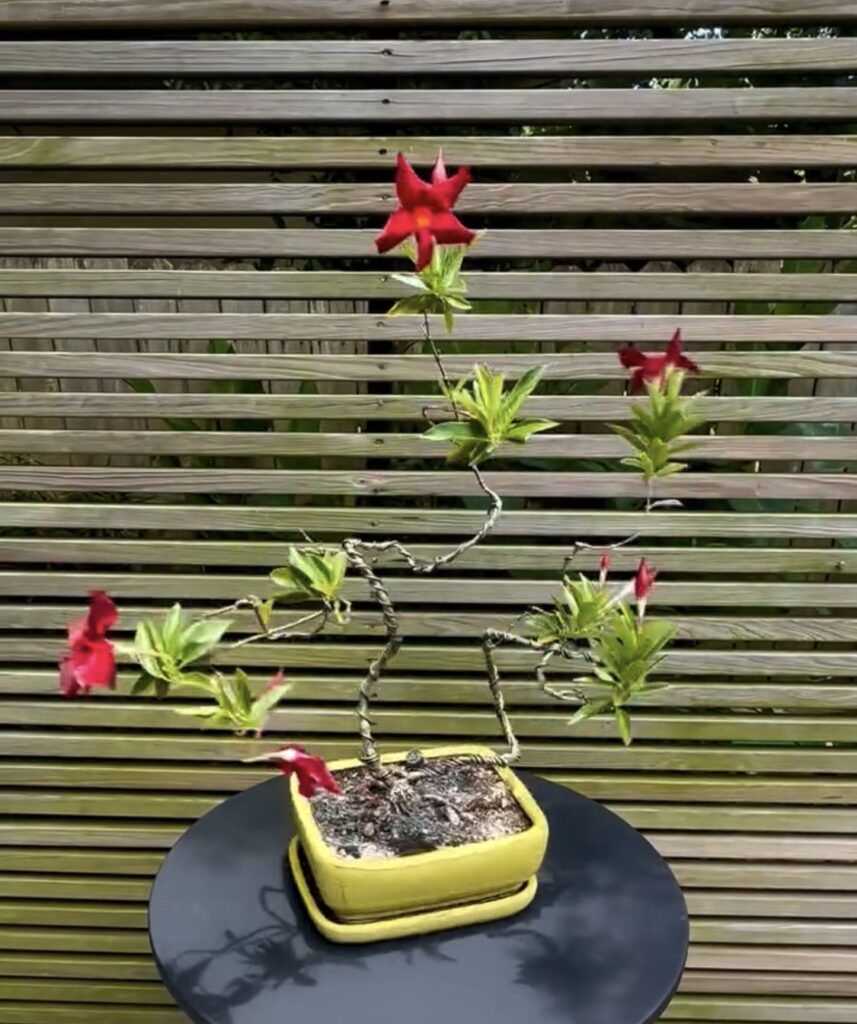
Refinement Takes Time
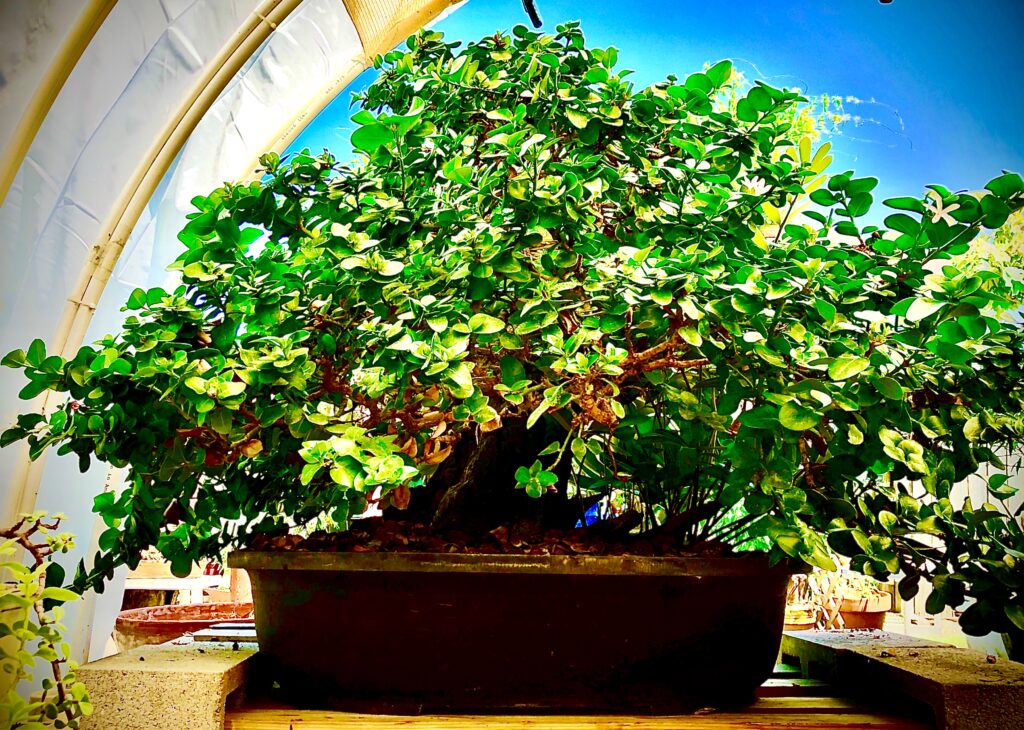
Bonsai is never truly finished. After the major structure is established, repeated cycles of growth, pruning and careful adjustment gradually refine the tree. Branches develop, proportions improve and the design matures over years—not in a single afternoon.
The Journey Continues
Bonsai rewards patience, observation and continued learning. Trees change. Seasons change. Our understanding changes with them. The goal is not simply to finish a tree, but to develop a relationship with living material—and enjoy the journey of helping it become what it can be.